
“The artist does not see things as they are, but as he is.”
—Alfred Tonnelle
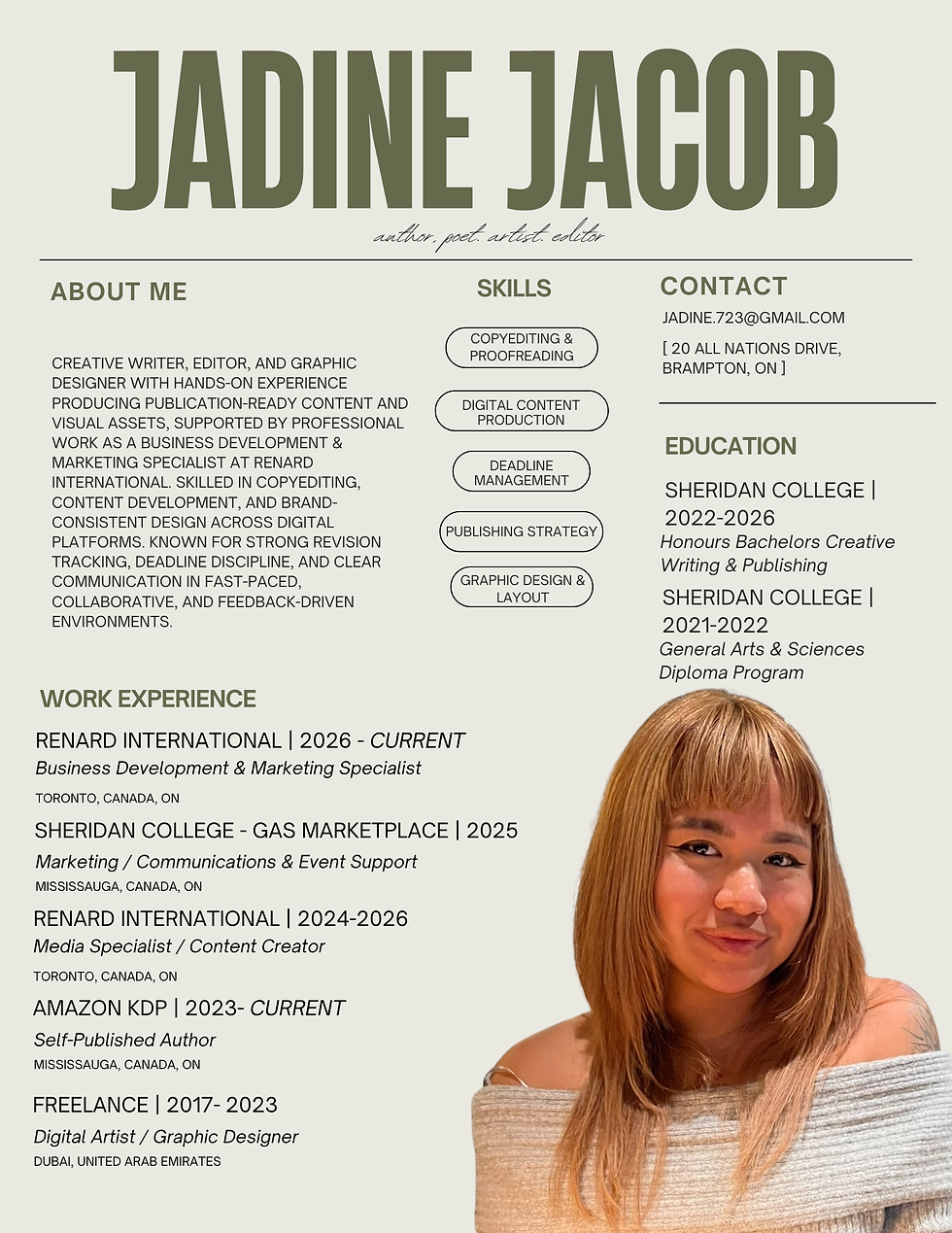
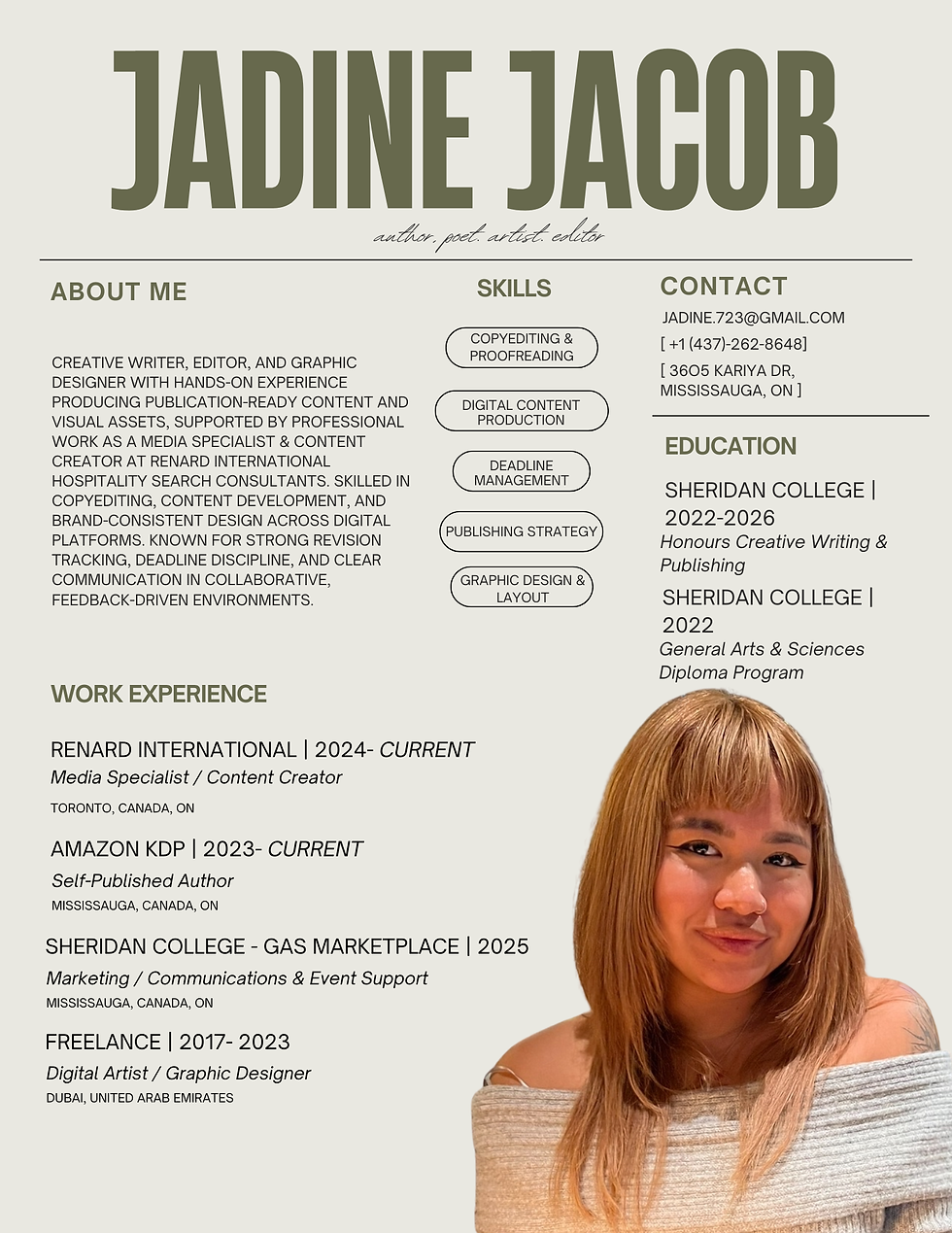
If art is a way of seeing, it is also a way of becoming. I do not think of a portfolio as a museum of “finished” work, but as a living record of movement.
Across genres and contexts, I return to the same instinct: to make language do more than deliver meaning. I want it to carry weight, texture, rhythm, and intention—to feel made, not merely produced. Writing creatively has always been a kind of architecture: sound and image shaped into structure, building the frame of a poem, a story, an artwork, an article—any form that asks to be held together. A line break can shift the pressure of a thought; a single image can bear the weight of an entire paragraph!
I move between creative and professional writing with the same commitment to clarity and craft, because I have never believed that art and work exist in opposition. If anything, they sharpen one another. In my creative practice, I am drawn to atmosphere, precision, and emotional charge: to the line that startles without losing its balance, to the image that exceeds description and begins to haunt. I write as much by ear as by eye, listening for cadence, pressure, and the exact moment a sentence turns and becomes itself.
Because I am also a digital artist and designer, I cannot separate what I am saying from how it lives on the page. The poets I return to—Lisa Robertson, Ted Hughes, and Christopher Dewdney—have made me attentive to form as a mode of meaning: the pull of a line break, the weight of white space, the way syntax can tighten or loosen the air around a thought, even the sound of letters, of a’s and g’s. Even this attention carries into my professional writing; voice and pacing are built as much through restraint and placement as through description. Visually, I am shaped by artists such as Guweiz, Marco Grassi, and Andrew Cadima for their graphic clarity, semi-realism, their control of mood through light and edge and visual storytelling. It feels like the same instinct working through another medium, whether I am designing a cover, drawing semi-realistic portraits, experimenting with graphic lettering, or creating commissioned work that stands beside the text as a voice of its own.
I am building a body of work that proves range without losing identity. As a multidisciplinary creative—writer, editor, and artist—I have come to treat range as a method rather than a departure from self. If this site is an archive, it is also a promise: that I will continue making, refining, expanding, and exploring the full reach of what I am capable of, professionally and creatively.